

Cultural Tour – Kathmandu, Bhaktapur, Patan - 6 hours days
-
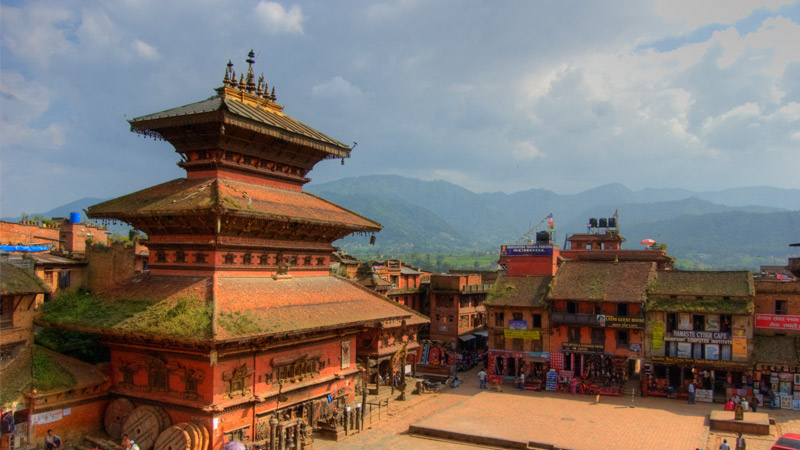
Durbar Square
-
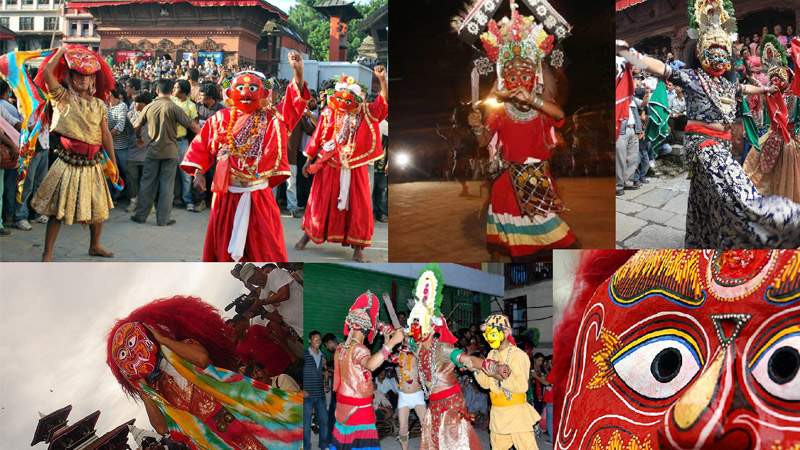
Lakhe Ritual Dance
-
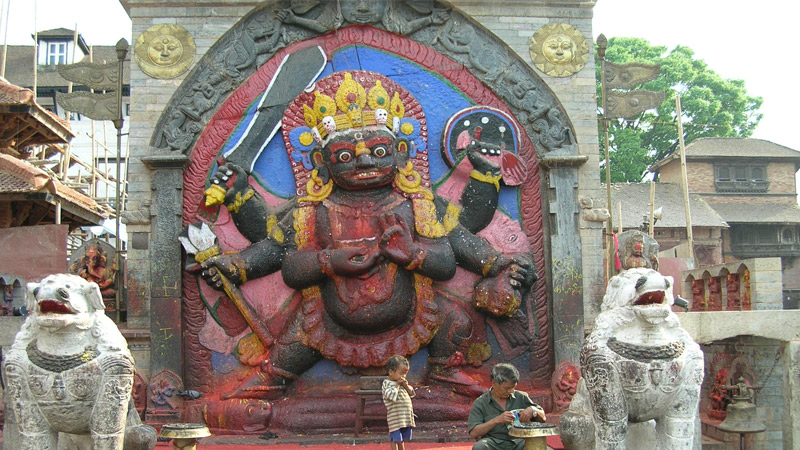
Kal Bhairav, Kathmandu Durbar Square
-
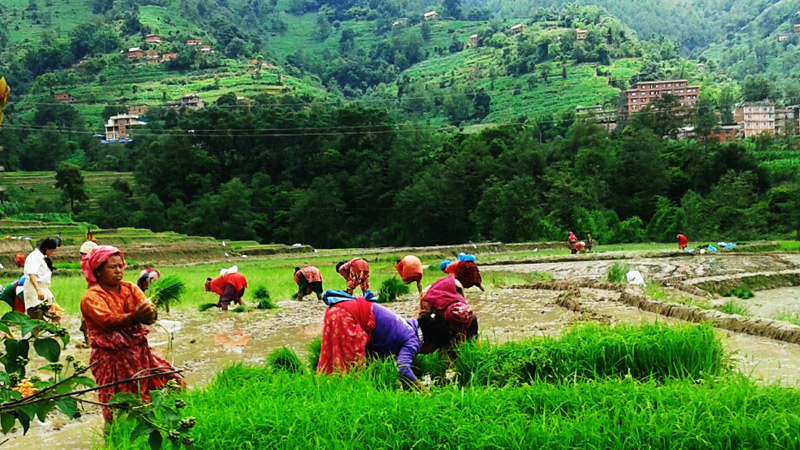
Rice Plantation in Kathmandu Outskirt
-
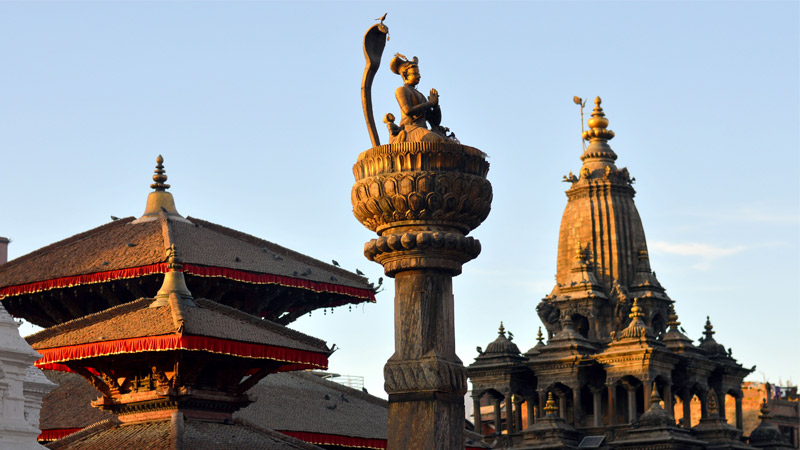
Patan Durbar Square
-
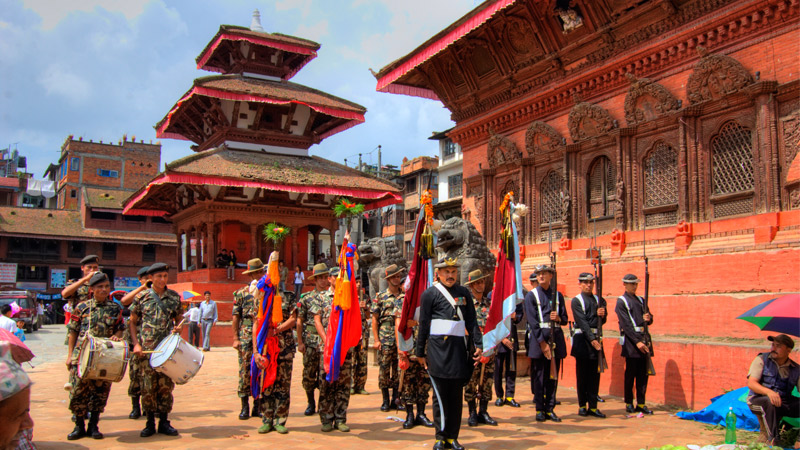
Durbar Square
-
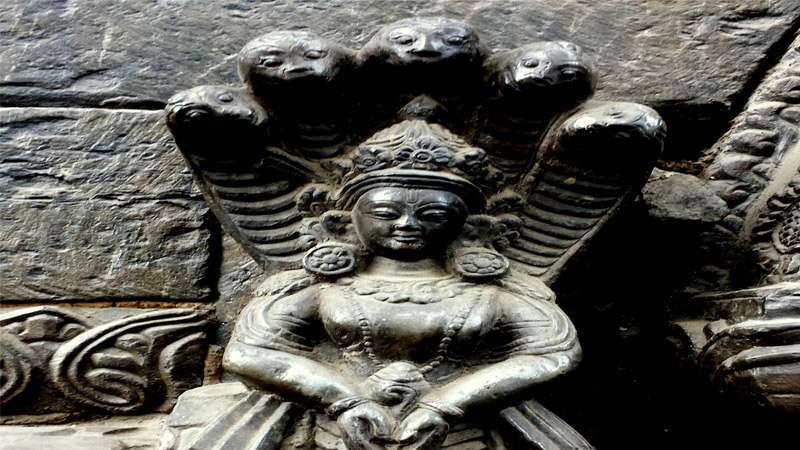
Garuda Statue
-
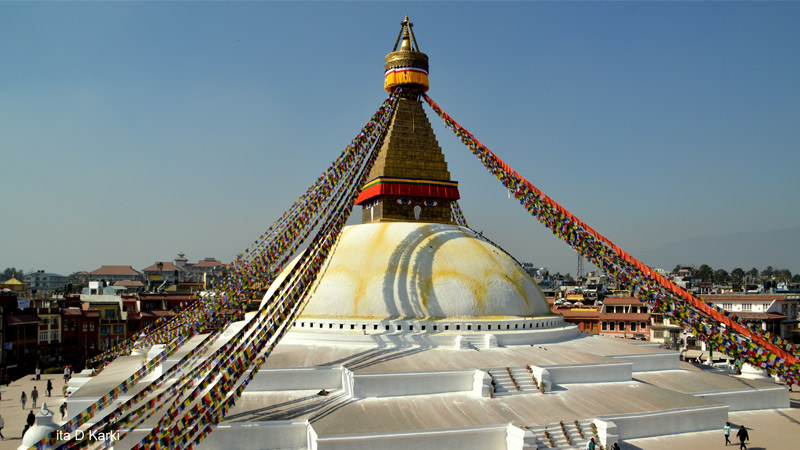
Boudha Stupa
-
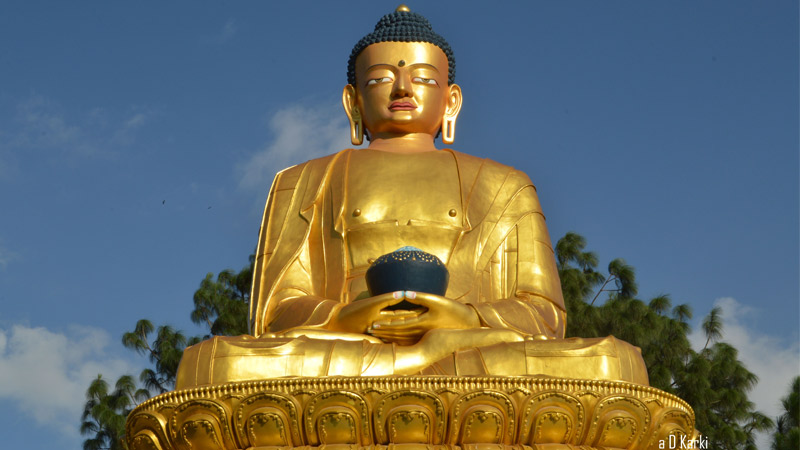
Sakyamuni Buddha
-
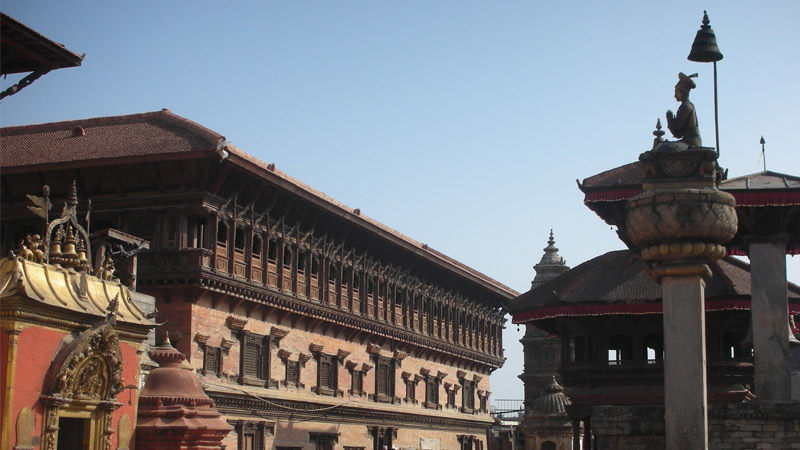
Bhaktapur Durbar Square
Cultural Tours in Kathmandu, Bhaktapur and Patan Valley:
A typical cultural sight-seeing consists touring the valey’s World UNESCO heritage sites – Durbar Squares, holy Hindu temples, holy Buddhist Stupas, monasteries, monuments, and shrines located in Kathmandu, Bhaktapur and Patan.
The valley is lively cultural hub of Asia and is stunningly beautiful and unparallel in oriental art and architecture. The world famous Durbar Squares, Pashupatinath, Boudha, Swayambu and Changunarayan are all World UNESCO heritages sites dating back to ancient and medieval era.
There are also other ancient quiet cultural towns and temples like; Bungmati, Khokna, Kirtipur, Dhakshinkali, Changunarayan, Sankhu, Panauti and numerous Buddhist monasteries and monuments in the Kathmandu valley outskirt.
KATHMANDU DURBAR SQUARE:
Kathmandu Durbar Square in the heart of old Kathmandu city in Basantapur never fails to impress first time visitors with its intricate wood carvings and rich history. Surrounded by old Nepali style buildings, the complex is an oasis in a fast developing, chaotic modern city. Once the residence of Nepal's Royal family, all coronation ceremonies were held here. The palace is an amalgamation of eastern, western and colonial architecture with additions by Rana and Shah rulers over the centuries. An unbelievable 50 temples lie within the vicinity including the temple of the titular deity, Taleju Bhawani. The Durbar is divided into two courtyards, the outer Kasthamandap, Kumari Ghar, and Shiva-Parvati Temple, and the inner section consisting of Hanuman Dhoka and the main palace. Some floors have been converted to museums dedicated to three generations of Shah kings.
Some of the important monuments to see within the square are:
- Taleju Temple: The Taleju Temple is the tallest of all structures, built by King Mahendra Malla in 1549 AD. This temple is open to the public for one day each year during the Dashain festival.
- Jagannath Temple: The Jagannath Temple, built in the 16th century is known for the fascinating erotic figures carved on the wooden struts.
- Kal Bhairav: The Kal Bhairav, one of the largest 17th century stone statues in Kathmandu, representing the terrifying aspect of Lord Shiva.
- Swet-Bhairav: The temple is open to the public once in year during Indra Jatra Festival.
- Kumari Temple: The 17th century Kumari Temple (the temple of Living Goddess) is an example of highly developed Nepali craftmanship.
- Kasthamandap: Kasthamandap, from which Kathmandu derives its name, is said to have been built from the timber of a single tree. The April earthquake has collapsed the whole temple and now under construction again.
- Nautalle Durbar: (the nine storyed palace)
BHAKTAPUR DURBAR SQUARE:
Bhaktapur Durbar Square in the center of Bhaktapur city is quiet and free of traffic. Showcasing architecture that dates back to the Malla period, the square is the most charming, with wide open spaces. In this ancient town Bhaktapur, you will see some of the finest medieval arts of Nepal. Most remarkable are: the Golden Gate, Fifty-five Windows and the beautiful statue of King Bhupatindra Malla mounted on a giant stone pillar. The Golden Gate was erected by King Ranjit Malla as the entrance to the main courtyard of the Fifty-five Window Palace. The Palace of Fifty-five Windows was built during the reign of King Yakshya Malla in 1427 A.D.and was re-modelled by King Bhupatindra Malla in the 17th Century. The Art Gallery has a fascinating collection of ancient manuscripts, thangkas, centuries-old stone sculpture, antique paintings that belong to the Hindu and Buddhist traditions of various periods. This whole square is an open museum in itself.
PATAN DURBAR SQUARE:
Patan Durbar Square complex is perhaps the most photogenic of the three durbar squares with the Northern Himalyan on the back drop. Located in the heart of Patan city, this was once the palace of the kings of Lalitpur. The square is a display of Newari architecture that had reached its pinnacle during the reign of Malla kings who were great builders and patrons of the arts. The palace has three main courtyards: the central and the oldest is Mul Chowk. To the west of the complex are a dozen free standing temples of various sizes and built in different styles. A masterpiece in stone, the Krishna Temple, Bhimsen Temple, the Golden Temple of Hiranya Varna Mahavira and Sundari Chowk mark the artistic brilliance of the Newar craftsment of that era. The Sundari Chowk with the sunken bath of Tusha Hiti, showcases exquisite woodcarvings, stone and metal sculpture. Like the other palaces, Patan Durbar Square also houses a temple dedicated to Taleju Bhawani.
Some important monuments to see in this area are:
- The Golden Gate
- Krishna Temple with 21 golden pinnacles
- Sundari Chowk the royal open bath
- Taleju Temple
- Bhimsen temple with a magnificient golden balcony overlooking the square.
- Char-Narayan Temple
- Chyasi Dega
- Manga Hiti
- Mul-Chowk
There are some world famous master pieces of wood, stone and metal carvings decorating the temples and palaces.
Note: there have been some damages by the April 2015 earthquake and reconstruction and repairs works are going on now.
Trip Highlights |
|
| Trip Type: | Cultural & historical heritage, holy sites, monuments sight-seeing |
| Grade: | N.A |
| Season: | All season |
| Elevation: | N.A |
| Group Size: | 2 pax to 25 pax |
| Trip Departure Date: | Daily (09:00 to 15:30 hrs) |
| Confirmed Group Member/s | Min. 2pax |
| Price: | US$ 15. to US$ 40. per person |
| Best Months: | 12 months |
STD-I. Sight-seeing tour of holy sites, Durbar Squares, Temple, Monastery: UNESCO world heritage sites – every site is a great treasure of art, architecture, culture, religion, history and tradition of Nepal and oriental civilization.
Three to four sites in the valley and outskirt. Your choice of routes, one of the following:
- STD-I.A. Pashupatinath, Guheswori, Boudha and Sankhu Salinadi
- STD-I.B. Swayambu, Kathe Swayambu, Patan Durbar Square or abode of living Goddess, Kumari and Hanuman Dhoka
- STD-I.C. Dhaksinkali, Pharping and Kirtipur
- STD-I.D. Annapurna, Seto Machhindranath, Indrachok Akash Bahirav and Bijeswori
STD-II. Historical Durbar Squares - Royal Palaces
STD-III. The former kingdoms - Bhaktapur (Bhadgaun), Patan (Lalitpur) and Kathmandu (Kantipur)
- STD-III. Outskirt Old Medieval Towns
- STD-III.A. Khokana, Bungmati and Kirtipur
- STD-III.B. Sankhu, Kokana and Bungmati
- STD-III.C. Sankhu, Bajrayogini and Panauti
*Note: For detailed itinerary description contact us.
- Tour Guide
- Private Vehicle for transfers
- Agency's service charge.
- Temple Entry Fees
- Tips,
- Any other not stated as inclusive.